
Insights
News & Press | Case Studies | White Papers | Blog | Videos | Programs

How Electric Vehicle Adoption Can Help Reduce Fleet Costs
Management costs are on the forefront of any fleet manager’s mind—after all, it’s one of the biggest expenses a business can undertake. When conducting a fleet utilization analysis, one question that is bound to pop up again and again is the following: while electric vehicles are better for the environment, are they better for the business’ bank account?

How Fleet Managers Can Evaluate Heavy-Duty Truck Electrification
When fleet operators are making decisions about electrification, one of the key considerations is when is mid-route charging feasible and when is it too much of a burden on your operations.
Fleet analytics provide operators with the data needed to make informed decisions about fleet electrification. In other words, telematics provides an additional layer of information that can help fleet operators make the best decision for their drivers.

California Department of Conservation Sees 100% Improvement in Driver Behavior
Choosing a telematics solution can be a long, drawn-out process, particularly for a government agency. The California Department of Conservation faced such a scenario in early 2020.
Top 4 Ways Temperature & Weather Impact Electric Vehicle Performance
It’s no secret that electric vehicles are becoming increasingly popular for both individuals and businesses alike. Between their environmentally friendly nature and their potential for cost savings, it isn’t difficult to see why. However, similar to internal combustion engine (ICE) vehicles, temperature and weather can also impact electric vehicle performance.

At-Home Charging Solutions for Employees: Benefits, Challenges, and How to Tackle Reimbursements
As more businesses, organizations, and municipalities make the switch to electric vehicles (EVs), one important factor that needs to be considered is charging take-home vehicles. Offering at-home charging for fleet EVs is one component to simplify the process of transitioning from traditional fuel-burning fleets to EVs and, ultimately, boost your organization’s fleet sustainability.

Sawatch Labs Helps Make Sustainability Goals Possible for City of Seattle
The City of Seattle has an ambitious goal of cutting carbon emissions 50% by 2025 and being completely fossil fuel free by 2030. The city’s fleet leadership chose Sawatch Labs and data from Geotab to help meet their sustainability goals, accurately measure electricity use by the city’s electric vehicles (EVs) and determine which internal combustion engine (ICE) vehicles could be cycled out for EVs.
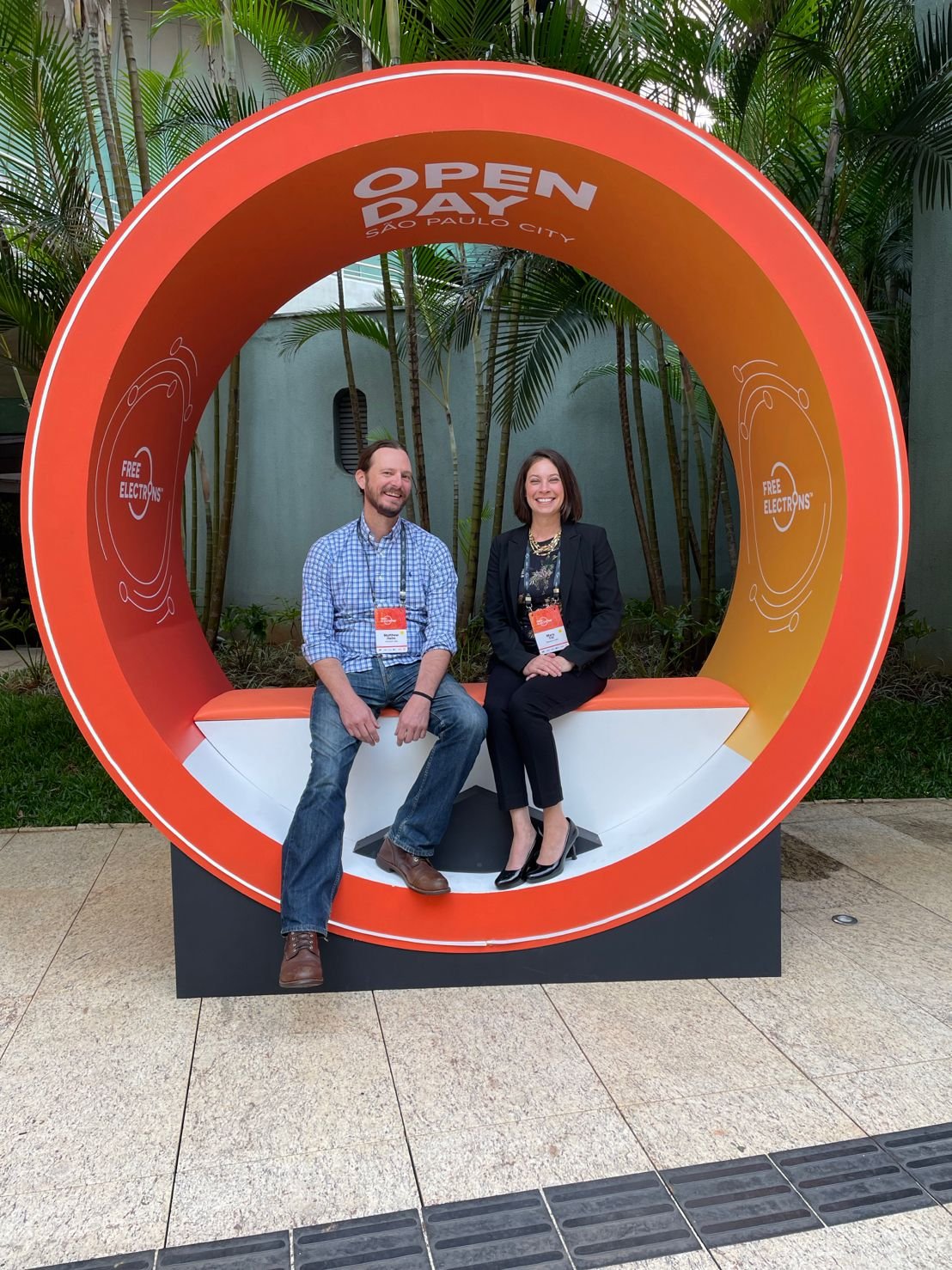
Our 4 Biggest Takeaways From the Free Electrons Grand Finale in São Paulo, Brazil
This October, the Sawatch Labs team took a trip to beautiful São Paulo, Brazil, to attend the Free Electrons Grand Finale. There, we met with industry professionals from all over the world to discuss more innovative, more effective, and more sustainable energy solutions. Here are some of our biggest takeaways.

Future of fleet vehicles on display in Golden
The transportation industry’s primary challenge is transitioning fleets into “green energy,” part of an overarching concept that, proponents say, takes advantage of technological advances to cut down on the use of fossil-fired energy, reduce pollution and save the environment.
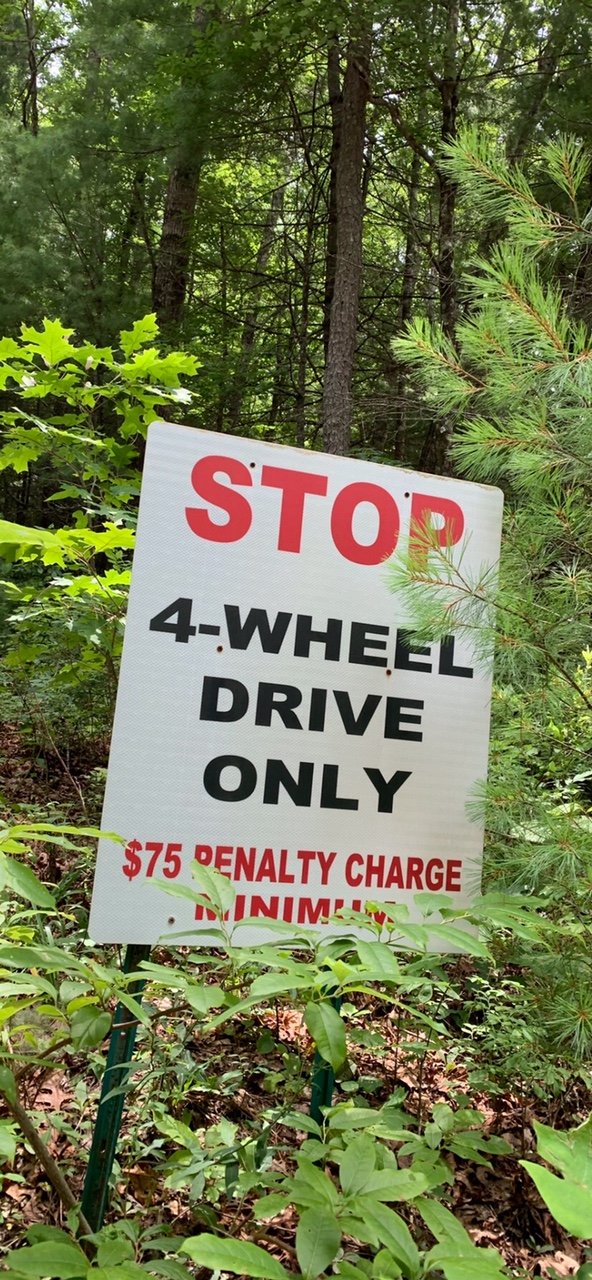
EV Model Selection for Fleets: Identifying Ideal Applications and Matching Vehicle Selection
Until very recently, it was common to hear “Well, EVs won’t work for us because our vehicles are used off-road and we need higher clearance.” We still get a lot of questions around EVs capable of handling off-road or inclement weather conditions.
Many light duty vehicle manufacturers now offer larger models that can be equipped with all wheel drive systems and increased ground clearance.
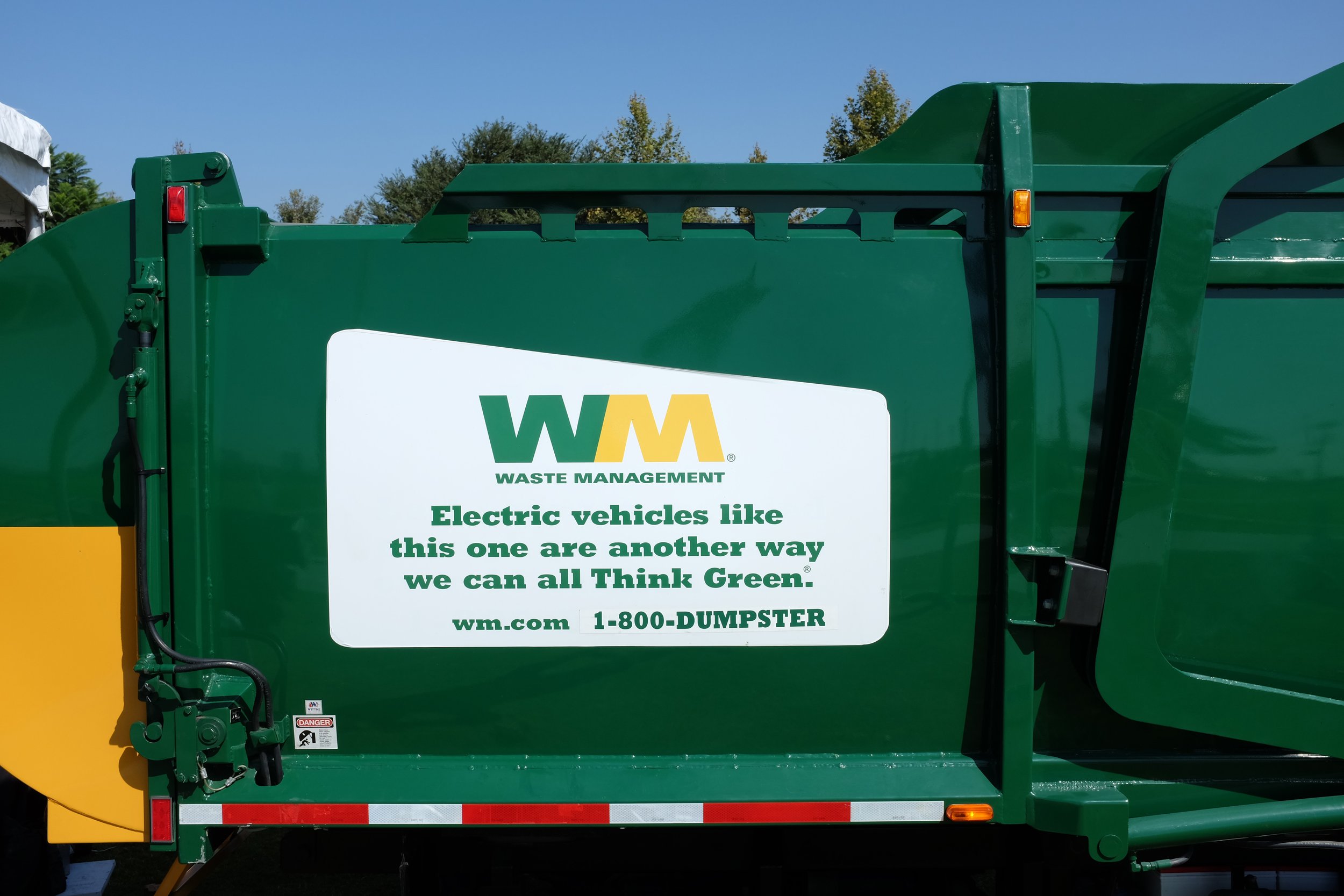
Electrification of Refuse Haulers
Unlike the light duty segment, most medium and heavy-duty BEVs (battery electric vehicles) available today do not achieve cost parity with internal combustion engine (ICE) vehicles over their service lives.
When Choosing Telematics, Be Specific
The realm of telematics is rapidly expanding, which means the vast opportunities, efficiencies, and risk management it offers fleet managers is rapidly expanding as well. However, telematics is still an area in which many feet managers have uncertainties
EV Infrastructure: How to Start and How to Expand
As more government fleets transition to electric vehicles, learn from fleet managers who’ve been there.

Edison Energy partners with Sawatch Labs to guide organizations on vehicle electrification for fleets
A fleet makeover starts by analyzing minute-by-minute data from on-board telematics, distinguishing highway miles from stop-and-go driving, and giving fleet managers confidence in electric vehicle conversion.
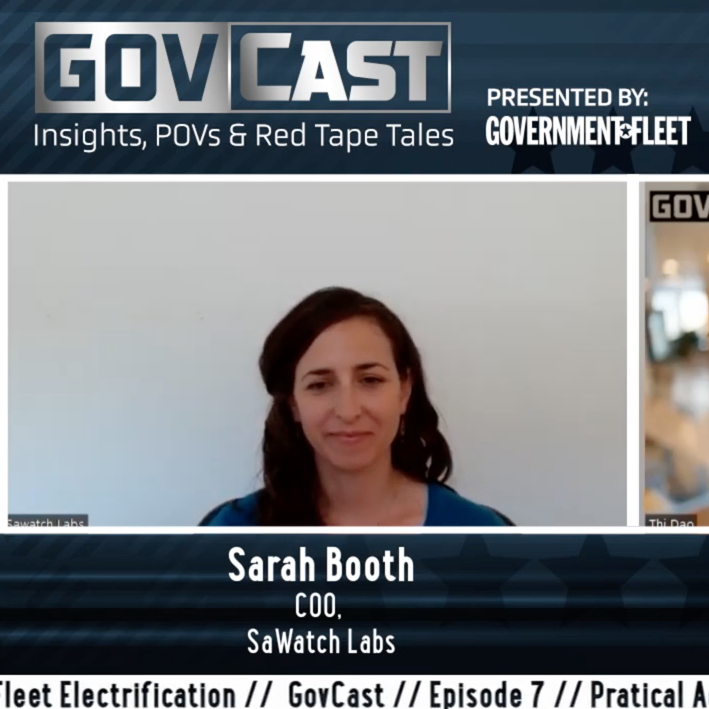
Practical Advice for Fleet Electrification
Sarah Booth from Sawatch Labs talks on GovCast (https://www.government-fleet.com/) about vehicle range and maintenance, the biggest barriers to electrification and how to overcome them, and how and when to work with utilities on infrastructure.

Verizon Connect charges up EV fleet management with Sawatch Labs
How many miles do we drive? How often would I need to charge my vehicles? Do we need to install charging stations or could we have our drivers charge at home? These and many other questions are on the minds of fleet managers and mobile businesses as they consider making the leap from internal combustion engines (ICEs) to electric vehicles (EVs).

Transportation Electrification Analytics
Since 2017, we’ve been supporting data-driven fleet management, working with fleets of all sizes around the country. Fleets rely on our ezEV software to confidently determine which vehicles to replace with an EV.

Whitepaper – Identifying Electric Vehicles to Best Serve University Fleet Needs and Support Sustainability Goals
The National Renewable Energy Laboratory (NREL) provides technical and analytical support to the U.S. Department of Energy’s alternative fuel programs, including the State and Alternative Fuel Provider Fleet Program. Through the program, the U.S. Department of Energy implements regulations pursuant to the Energy Policy Act of 1992 (EPAct), as amended, which requires state and alternative fuel provider fleets to acquire alternative fuel vehicles and requires alternative fuel providers to use alternative fuels in those vehicles where the fuel is available.

Whitepaper – Impacts of Increasing Electrification on State Fleet Operations and Charging Demand
The National Renewable Energy Laboratory (NREL) provides technical and analytical support to the U.S. Department of Energy’s alternative fuel programs, including the State and Alternative Fuel Provider Fleet Program. Through the program, the U.S. Department of Energy implements regulations pursuant to the Energy Policy Act of 1992 (EPAct), as amended, which requires alternative fuel providers to use alternative fuels in those vehicles where the fuel is available.

Measuring (and Minimizing) EV Total Cost of Ownership
Driven primarily by sustainability goals, government agencies around the country are looking to increase the adoption of electric vehicles (EVs) into their fleets. These fleet managers are faced with trying to calculate the total cost of ownership (TCO) with many new factors, which can be daunting.

22 Takeaways from the Fleet Forward Conference
The Fleet Forward Conference convened once again in person Nov. 10-12 at the Hayes Mansion in San Jose. This year’s agenda had a heavy focus on electrification, particularly with commercial EVs and building infrastructure to support them.