
Electric Vehicle Charging Cards for Mixed Fleets
Fleet managers operating both electric and gas-powered vehicles face one persistent challenge: payment complexity. Managing multiple fuel cards, EV charging apps, reimbursement systems, and invoices creates friction, reporting gaps, and administrative overhead.
WEX’s new combined fuel card addresses this problem by unifying fuel and EV charging payments into a single system—simplifying operations while improving data visibility for fuel payment management.
What is a Combined Fuel & Charging Card?
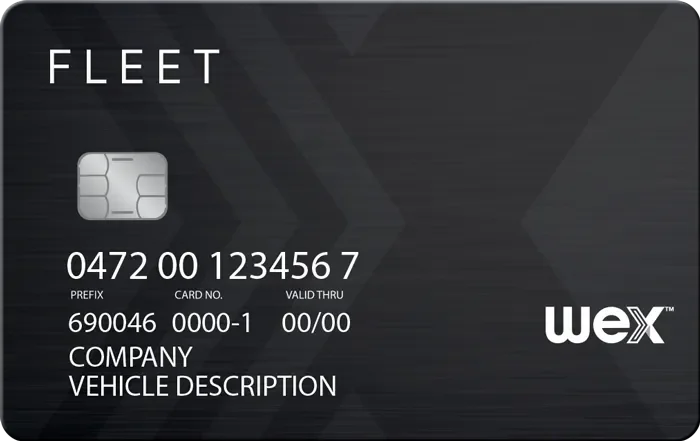
WEX’s combined card payment solution allows fleets to pay for both gasoline/diesel and public EV charging. Traditionally, fleets relied on separate apps or charging network memberships, often alongside commercial fleet fuel cards for gasoline and diesel vehicles.
The need for a comprehensive payment solution
As fleets adopt EVs, it gets complicated quickly for drivers who have to use different payment types for different vehicles. It’s also hard for fleet managers to control fuel spend across multiple reporting systems.
Fragmented systems create inefficiencies and limit cost visibility. For fleet managers scaling electrification, this lack of unified reporting can slow decision-making and complicate transition planning.
Combined fleet fueling card solutions help define a new service model for mixed-energy fleets, one built around integrated data, operational simplicity, and scalable electrification.=
How a Combined Fuel Card Simplifies Mixed-Energy Operations
WEX’s recently announced combined fleet card doesn’t just add EV payment capability, it consolidates charging data with traditional fueling transactions into one secure system, with reporting and purchase controls designed specifically for mixed-energy fleet operations. This integrated approach reduces administrative burden and delivers a commercial-grade experience supporting fleets as they scale both ICE and electric vehicles.
With this system, drivers can tap-to-pay at:
Approximately 95% of U.S. gas stations
~175,000 public charging ports in the U.S.
All using the same physical card.
According to Ryan Kelly, WEX EV/Mobility Sales Manager:
“WEX’s new combined fleet card allows fleet managers to give their drivers a simple solution. The combined card allows drivers to pay for fuel, charging, and/or non-fuel items that are essential to a fleet's daily operations, while maintaining the needed data, security, and control a fleet manager requires. All under one account, with an online platform to manage payments with one invoice.”
The new card eliminates the “old way” of managing separate fuel cards and charging apps, reducing reconciliation work, and improving financial oversight.
For fleets operating both ICE vehicles and EVs, the combined cards provide infrastructure-level simplification that aligns with operational reality.
3 Ways Combined Cards Improve Fleet Electrification Planning
Beyond operational ease, unified payment systems create measurable strategic advantages.
1. Cleaner, Consolidated Cost Data
When fuel and EV charging data live in one ecosystem, fleet managers can easily analyze per-vehicle operating costs. No more reconciling multiple vendor invoices to determine what a single asset costs per month.
2. Improved Visibility for Mixed Fleets
A combined fleet card allows organizations to see fuel and charging behavior all in one place. This helps fleets understand usage trends as they transition, making it easier to forecast infrastructure and energy needs.
Start With an EV Suitability Assessment
Before scaling EV adoption, fleets need to know which vehicles are strong candidates — and which aren’t. Sawatch Labs’ ezEV suitability assessments use telematics or fuel card data to analyze real-world vehicle performance and identify the best electrification opportunities.
3. Stronger Inputs for EV Suitability Assessments
At Sawatch Labs, data quality directly impacts electrification outcomes. Our ezEV suitability assessment software evaluates individual vehicle performance using telematics or fuel card data.
When commercial fleet fuel cards and EV charging data are consolidated, it strengthens cost tracking and operational visibility—supporting more confident vehicle placement decisions.
Since 2017, ezEV has helped fleets:
Identify which vehicles are strong EV candidates
Avoid costly misplacements
Build phased, scalable transition plans
Reduce overall fleet operating costs
Clean payment data helps eliminate blind spots in electrification analysis.
Why Payment Infrastructure Matters in a Transition Plan
Electrification planning involves more than selecting vehicles. To truly optimize the transition, fleet managers must create an alignment across several efforts, including:
Vehicle suitability analysis
Charging infrastructure deployment
Operational workflows
Payment systems
If payment infrastructure lags behind operational change, friction increases. But when payment solutions support both ICE vehicles and EVs under one system, fleets can scale more efficiently.
Solutions like unified fuel cards and tools such as DriverDash’s mobile functionality help simplify the driver experience while delivering the data transparency fleet managers require.
At the same time, Sawatch Labs supports fleets through the analytical side of the journey—using real operational data to build electrification transition plans that are practical, cost-effective, and scalable.
Build a Data-Driven Electrification Strategy
Cleaner fuel and charging data support stronger analysis. Sawatch Labs’ EV analytics tools help fleets model total cost of ownership, assess operational fit, and create phased electrification roadmaps.
Combined Fuel & EV Charging Cards Are Closing the Mixed-Fleet Gap
The reality of fleet electrification is that most organizations operate mixed-energy fleets—and will for years to come.
Combined charging cards that unify fuel and EV payments represent a significant step forward. They reduce administrative burden, improve cost visibility, simplify payment for drivers, and support data-driven electrification decisions.
For fleets working to scale EV adoption, infrastructure and analytics must work hand-in-hand. With unified payment systems and robust suitability assessments, organizations can confidently place EVs where they meet driver needs, control costs, and build a smarter transition strategy.